

Choosing Between PAR56 and PAR64 LED Retrofits
February 3, 2026
PAR Can Spacing Guide for Stages, Venues, and Event Rooms
March 4, 2026
Halogen vs LED PAR Cost
Halogen lamps have brightened up stages, churches, theaters, and event spaces for many years. They’re trusted and well-known, but they do use a lot of electricity and need regular replacements. This adds an extra, often unnoticed, cost to running these facilities.
A typical halogen PAR lamp can use between 300 and 1500 watts, depending on its use. When these fixtures run for many hours each day, the energy usage can really add up. Plus, halogen lamps tend to burn out much more often than LED lamps. Whenever a lamp burns out, it means someone needs to find a replacement, access the fixture, install the new bulb, and make sure the lighting is working properly again.
Individually, these costs may appear minor; however, when aggregated across an entire lighting system, they can constitute a substantial annual expenditure. The extended operation of facilities using halogen lamps results in increased financial outlay, primarily due to ongoing maintenance to maintain current conditions.
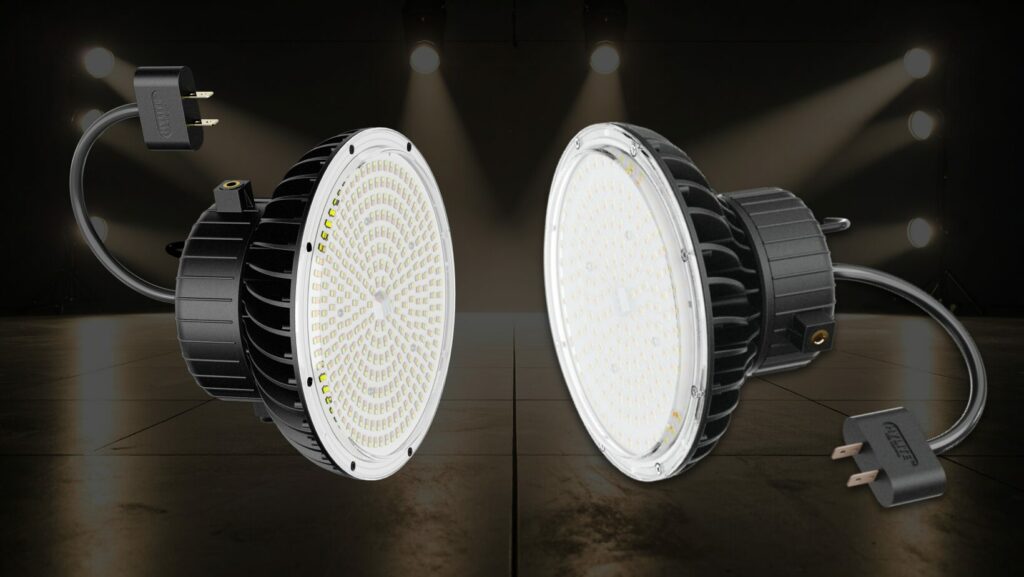
LED PAR lamps address these issues by reducing wattage and offering tens of thousands of hours of life. Switching to LED lighting lowers electricity use, reduces replacement costs, and stabilizes costs.
The Four Numbers You Need to Calculate Lighting ROI
Calculating lighting payback begins with a few basic numbers that most facilities already have. First is the wattage of the current halogen lamp, followed by the LED replacement’s wattage. Next is the annual operating hours of the lights, and finally, the local electricity rate. Using these values, you can determine the yearly energy costs for both systems. The calculation is as follows:
Annual energy cost equals wattage divided by 1000, multiplied by annual operating hours, multiplied by the number of lamps, multiplied by the electricity rate.
Running this calculation once for the existing halogen system and once for the LED replacement immediately shows the difference in operating cost. That difference is the annual energy savings.
This step surprises managers and finance teams. Replacing a 500-watt halogen with a 60-watt LED greatly cuts energy use, and replacing a 1000-watt halogen with a 100-watt LED reduces power even more.
Maintenance Savings Add Even More Value
Energy savings are only part of the ROI when switching from halogen to LED. Halogen lamps often burn out, requiring replacement bulbs and labor, which can be costly, especially in churches and venues with hard-to-access fixtures. LED PAR lamps last tens of thousands of hours, significantly reducing these interruptions.
When lamp changes become rare instead of routine, maintenance costs drop significantly, and the financial benefits are the only things that glare. Check out some of the top reasons we hear people make the switch:
- Halogen replacement frequency: typically around 1–2 replacement cycles per year, depending on usage
- Average lamp + labor cost: about $40–$45 per replacement when materials and labor are combined
- Estimated maintenance cost for a 12-lamp halogen system: roughly $700–$800 per year
- LED PAR lamp lifespan: commonly rated for 50,000–60,000 hours, greatly reducing replacements
- Total potential annual savings: combining energy and maintenance savings can reach around $2,000+ per year in many systems
Turning Annual Savings Into Payback
Payback equals the total project cost divided by the annual savings.
If the $1,680 cost of the 12-lamp LED upgrade is divided by the annual savings, the payback period is under 1 year.
Even when installation costs or more conservative assumptions are included, the return on investment often remains extremely attractive. In many facilities, LED lighting upgrades pay for themselves far faster than other building improvements.
Lighting retrofits are often the first efficiency projects because savings start immediately and continue for years after the initial costs are recouped.

Higher-Wattage Halogen Systems Deliver Even Faster Payback
Many theaters, churches, and auditoriums still use PAR64 lamps rated at 1000 watts or more, which consume large amounts of electricity when on. Replacing those lamps with LED PAR lamps using around 100 watts dramatically reduces energy usage.
A typical comparison might look like this:
- Halogen system: 8 lamps × 1000W running about 4 hours per day ≈, $1,200 per year in electricity
- LED system: 8 lamps × 100W under the same conditions ≈, $120 per year in electricity
- Annual energy savings: Over $1,000 per year
- Additional savings: Reduced maintenance from fewer lamp replacements
- Typical payback period: About 1–2 years for many higher-wattage systems
Why Waiting Costs More Than Upgrading
One detail often overlooked in ROI discussions is the cost of delay. As long as halogen lighting remains in operation, the facility continues paying the higher electricity and maintenance costs associated with those lamps.
Every month that passes without an upgrade costs additional money due to unnecessary energy consumption. Once a payback calculation shows that an LED retrofit will recover its cost within a short period, continuing to run the old system becomes the more expensive decision.
This is why many organizations accelerate lighting upgrades once the numbers are presented clearly. The sooner the system is upgraded, the sooner the savings begin.
A Clear Financial Case for LED Lighting
When the numbers are simple, making a decision becomes much easier. LED PAR lamps are a fantastic choice because they save energy, require less maintenance, and last much longer than halogen bulbs. This means you can enjoy lower operating costs year after year.
Rather than keep paying for high-wattage halogen lamps and frequent replacements, facilities can switch to LED lighting and begin saving right away. After calculating energy and maintenance savings, many organizations find that the upgrade quickly pays for itself.
Ready to start saving? Upgrade your lighting today and shop our LED PAR lamps now!