


For theaters, school stages, civic venues, and performance spaces
LED Stage & Theater Lighting Retrofits
Improve the Lighting Your Existing Stage Fixtures Provide
Start with the installed fixtures and the problem you need to solve: uneven front lighting, a poorly lit presenter, excessive spill, or an aging lamp setup.
Confirm the housing, connection, clearance, and controls before selecting a retrofit. Then compare output and beam options for the stage positions you need to cover.
Looking Specifically for High-Output PAR64 Stage Lights?
Need a higher-output option for a compatible existing PAR64 fixture? Check out our PAR64 stage-lighting guide for application advice, then compare the available PAR64 retrofit configurations.
Start With How the Stage is Used
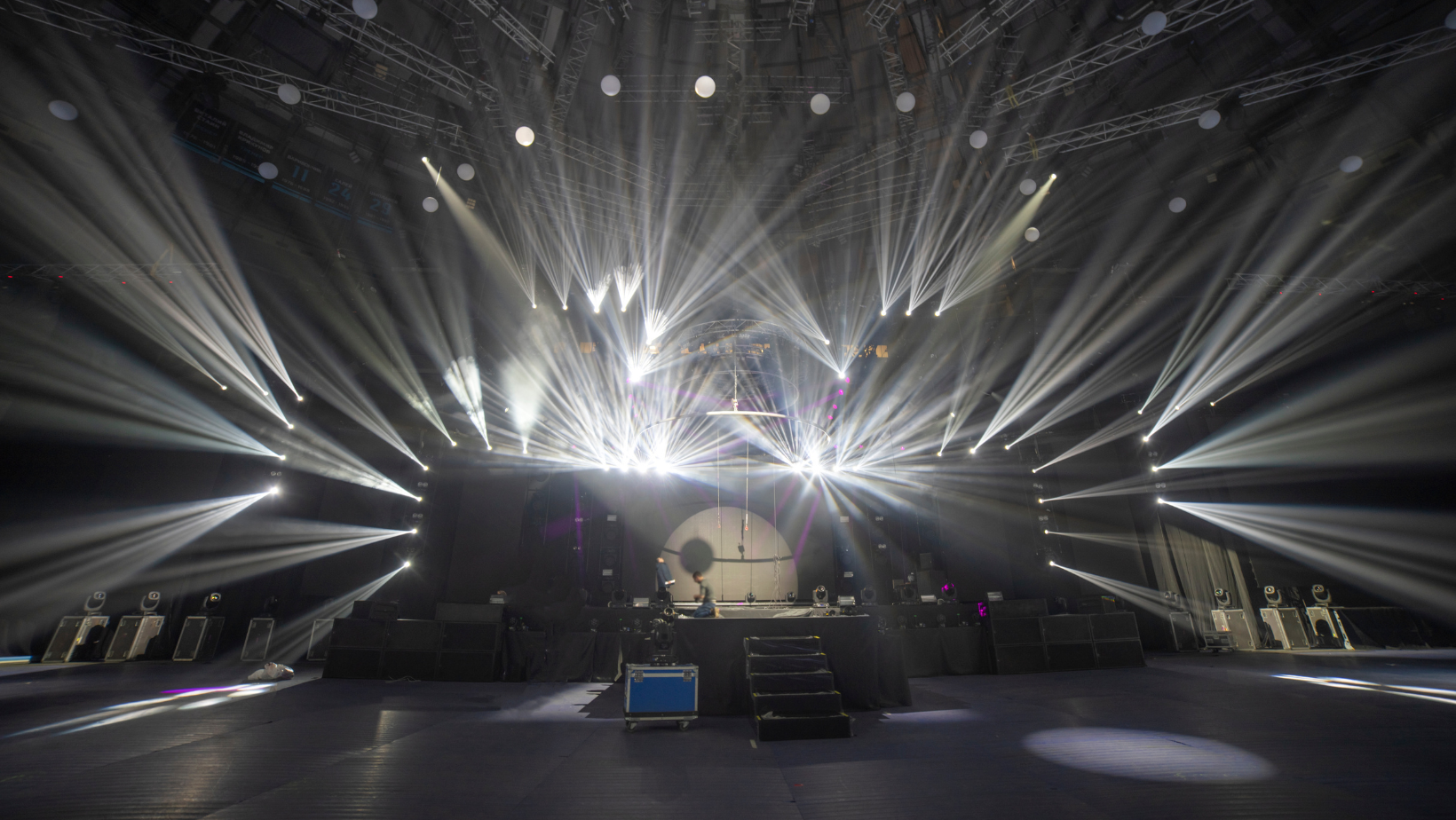
Not every stage has the same lighting demands. A school stage used for assemblies and drama performances may need dependable front wash and presenter visibility. A black box theater or studio stage may rely on versatile E26 track fixtures for tight accent spots. A civic auditorium may use larger PAR cans, but the installed fixture size, not the venue category, determines which replacement family can fit.
That is why a retrofit plan should consider existing fixture size and connection, ceiling height, throw distance, target coverage, and controls rather than simply swapping bulbs.
PAR LED Retrofit Lamp vs. Full LED Stage Fixture
There are two different ways to upgrade stage and theater lighting. One option is to replace the entire fixture with a new LED stage light. The other option is to keep your existing PAR can or track fixture and replace the old halogen bulb with a PAR LED retrofit lamp.
PAR LED Lights focuses on retrofit lamps for compatible existing PAR fixtures. Keeping suitable housings may avoid a full fixture replacement while reducing power use and maintenance; connector, clearance, wiring, and dimming compatibility still need to be checked for the selected lamp.
If you need full RGB color-changing effects, automated moving heads, or a complete theatrical redesign, full fixture replacement may be appropriate. For white-light illumination in compatible existing PAR cans, a retrofit lamp may be a practical alternative.
| Option | Best For | Notes |
|---|---|---|
| PAR LED Retrofit Lamp | Existing PAR cans, E26 track lights, lower heat, reduced maintenance | Replaces the light source in a suitable existing housing; verify connection and any required wiring changes |
| Full LED Stage Fixture | New lighting layouts or fixture-specific RGB/DMX capabilities | Replaces the entire fixture housing and control structure |
| Full Theatrical Redesign | New stage construction, new automated controls, new fixture locations | Best for major facility renovations or production-heavy theaters |
Recommended Approach for Stages & Theaters
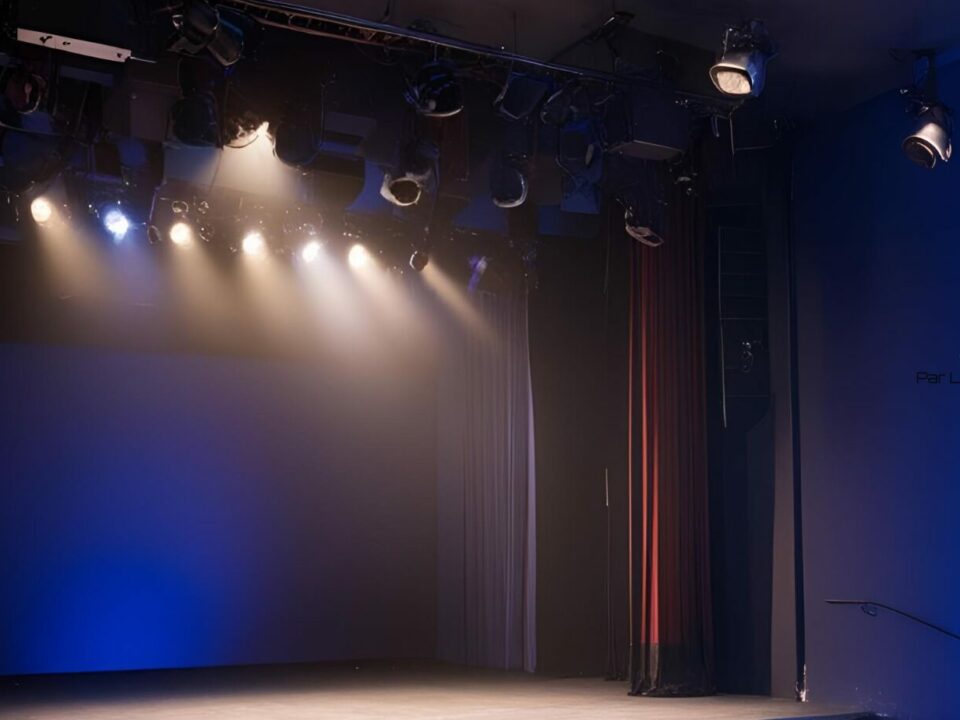
Stages may use PAR fixtures for front wash, backlighting, side fill, and accent lighting. Identify the existing fixture and connection first; then compare lamp output and beam coverage for the actual task.
PAR38 LED Retrofits
For compatible E26 medium-base fixtures such as track lights and downlights. Features selectable wattages (18W/25W/30W), five white CCTs, and 25°/40°/60° beam settings in one lamp.
E26 Base | Up to 3,300 Lumens
PAR56 LED Retrofits
For compatible existing PAR56 fixtures. Features selectable 40W/60W output and 3000K/4000K/5000K settings; choose the beam-angle and connection version when ordering.
EX39 Base / GX16D or WC2 Adapter Configurations | Up to 10,195 Lumens
PAR64 LED Retrofits
For compatible existing PAR64 fixtures needing higher output. Features selectable 100W/150W output and 3000K/4000K/5000K settings; choose beam angle and connection configuration when ordering.
EX39 Base / GX16D or WC2 Adapter Configurations | Up to 24,503 Lumens
- Beam Angle Options: PAR56/PAR64 versions: 15°, 25°, 40°, and 120°. PAR38: adjustable 25°, 40°, and 60° within one lamp.
- Color Temperature Options: Warm 3000K, Neutral 4000K, and Daylight 5000K choices (plus selectable 2700K–5000K on PAR38).
- Measurements for Beam Planning: Record mounting height and fixture-to-target distance. Match the lamp family to the fixture first, then select the output and beam for the coverage you need.
Common Stage Lighting Roles for PAR Retrofit Lamps
PAR cans serve many performance-lighting roles. A compatible LED retrofit can update the light source while keeping the fixture in place; output and color quality depend on the selected product and its setup.
| Stage Lighting Role | Purpose | Retrofit Planning Note |
|---|---|---|
| Front Wash | Makes performers and speakers clear to the audience | Compare beam spread, mounting distance, overlap, and the existing fixture model before selecting a lamp |
| Podium / Speaker Focus | Highlights a presenter or specific stage zone | A 15° or 25° beam may provide tighter focus; check edge spill and coverage at the target |
| Side & Accent Lighting | Adds depth, texture, and three-dimensional shape | Match the existing connection and aim; compare available narrower beams for accent areas |
| Backlighting & Rim Light | Separates performers from background sets | Evaluate beam placement, contrast, and published color-rendering performance |
| General Stage Wash | Covers a broad stage area | Wider beams may cover more area; calculate fixture spacing and overlap to avoid dark spots or excess spill |
| Video & Broadcast Lighting | Supports lighting for recorded video | Test the intended lamp, dimmer, and camera settings for flicker or banding before production |

Stage Lighting Technical Planning
Base your retrofit decision on the installed fixture, connection, clearance, beam angle, throw distance, and control system. Check the intended coverage and controls before ordering.
Front Wash Planning
Front wash calls for enough light on performers and presenters without excessive glare. Compare beam angle, aiming, throw distance, and overlap using lamps compatible with the existing fixtures.
Spot & Accent Focus
A narrower beam such as 15° may help concentrate light on a presenter or soloist. Check beam coverage and spill at the actual throw distance.
Dimming & Camera Capture
Dimming and camera performance depend on the selected lamp, installed controls, and operating conditions. Confirm the intended combination before ordering for a production or recorded event.
Heat & Maintenance Reduction
Compared with many high-wattage halogen lamps, compatible LED retrofits can reduce power consumption, heat, and relamping frequency. Verify required thermal clearance, rated life, and fixture suitability.
Stage Size and Beam Angle Planning
A stage’s size alone does not determine lamp fit. Use these details to describe your installation and narrow the options before buying.
| What the Buyer Knows | What to Establish Next |
|---|---|
| Existing fixture model | Compatible lamp size, connection, and clearance |
| Fixture position | Distance and direction to the target |
| Area that needs illumination | Required coverage and overlap |
| Existing control system | Approved compatibility with the selected lamp |
| Recording or livestream requirements | Performance of the actual lamp, control, and camera combination |
What Stage and Theater Venues Care About Most
Visibility & Skin Tones: The Lotus families publish CRI >90; lighting position and beam selection also affect facial visibility, contrast, and glare.
Atmospheric Depth: Compare aiming and beam coverage to shape side fill, accents, and separation from the backdrop.
Dimming Control: Dimming behavior depends on the lamp and approved controls; test the intended settings for scene transitions and cameras.
Reliability: Long-life LED lamps may reduce relamping visits for high catwalks and difficult-to-reach battens.
Stage & Theater Retrofit Checklist
Before ordering retrofit lamps, document your current setup. These details help narrow fit, light output, beam choice, and control requirements; they don’t replace an installation check.
1. Existing Lamp Wattage: Identify the existing lamp model and wattage (e.g., 250W, 300W, 500W, or 1000W).
2. PAR Can Size: Record the fixture make/model and confirm whether it uses a PAR38, PAR56, or PAR64 lamp.
3. Connection or Socket: Photograph the connection. PAR38 uses E26 medium base; larger Lotus configurations include EX39 mogul-base, GX16D-adapter (GX), and WC2-adapter (WC) options. Confirm the components supplied with the selected version.
4. Throw Distance: Measure the approximate distance and direction from the fixture to the speaker, performer, or target area.
5. Dimming System: Record dimmer make/model, supply voltage, and any relevant control equipment so compatibility can be checked.
Need help matching lamps to your stage? Send us photos of your existing fixtures and sockets.
Technical Specifications Overview
PAR38 LED Retrofit
- Selectable 18W / 25W / 30W
- Compare output and beam with the existing halogen lamp
- E26 medium screw base
- Selectable CCT (2700K–5000K)
- Delivers up to 3,300 lumens
PAR56 LED Retrofit
- Dual wattage 40W / 60W
- Compare output and beam with existing 300W/500W lamps
- EX39 mogul-base / GX16D-adapter (GX) / WC2-adapter (WC) configurations
- 7” diameter × 7” height (published technical-table dimensions; verify configuration drawing)
- Delivers up to 10,195 lumens
PAR64 LED Retrofit
- Dual wattage 100W / 150W
- Compare output and beam with existing high-wattage lamps
- EX39 mogul-base / GX16D-adapter (GX) / WC2-adapter (WC) configurations
- 8” diameter × 7.6” height (published technical-table dimensions; verify configuration drawing)
- Delivers up to 24,503 lumens
- Beam Optics: PAR56 and PAR64 are available in 15° Narrow Spot, 25° Narrow Flood, 40° Standard Flood, and 120° Wide Flood versions. PAR38 has adjustable 25°, 40°, and 60° settings.
- Dimming Performance: Manufacturer lists TRIAC and 0–10V support for PAR56/PAR64; verify the lamp, voltage, and approved control installation.
- Rating & Lifespan: PAR56/PAR64 published IP65 rating; check approved installation conditions and model-specific rated life.
- Warranty: 5-year manufacturer warranty, subject to the applicable terms.
Get Help Choosing Stage Lighting
Send your fixture model, a connection or socket photo, approximate distance to the target, required coverage, quantity, and dimmer details. We can help you compare suitable PAR38, PAR56, and PAR64 options for compatible existing fixtures.