


5 Benefits of Upgrading Theater Lighting to LED
May 7, 2025
Why More Funeral Homes Are Switching to LED
June 1, 2025
A Practical Guide to Church Lighting Upgrades
Lighting in a place of worship is more than a functional necessity. It shapes how the sanctuary feels, how clearly the platform can be seen, and how comfortably the congregation experiences worship, teaching, music, and reflection. The right lighting can help a church feel warm, calm, visible, and welcoming without becoming distracting or harsh.
This guide explains why so many churches are moving from older halogen and incandescent systems to LED retrofits, what benefits they typically see, and how to think through the upgrade process in a practical way.
Need a Church Retrofit Recommendation?
If you are looking for the best retrofit option for your sanctuary or platform lighting, visit our
church lighting page for product guidance and more specific recommendations.
Why Churches Are Replacing Older Lighting
Many churches still rely on older halogen or incandescent lamps for sanctuary and platform lighting. While these systems may have served faithfully for years, they often create uneven illumination, excessive heat, high energy bills, and frequent maintenance needs. In larger worship spaces, this can become both a comfort issue and a budget issue.
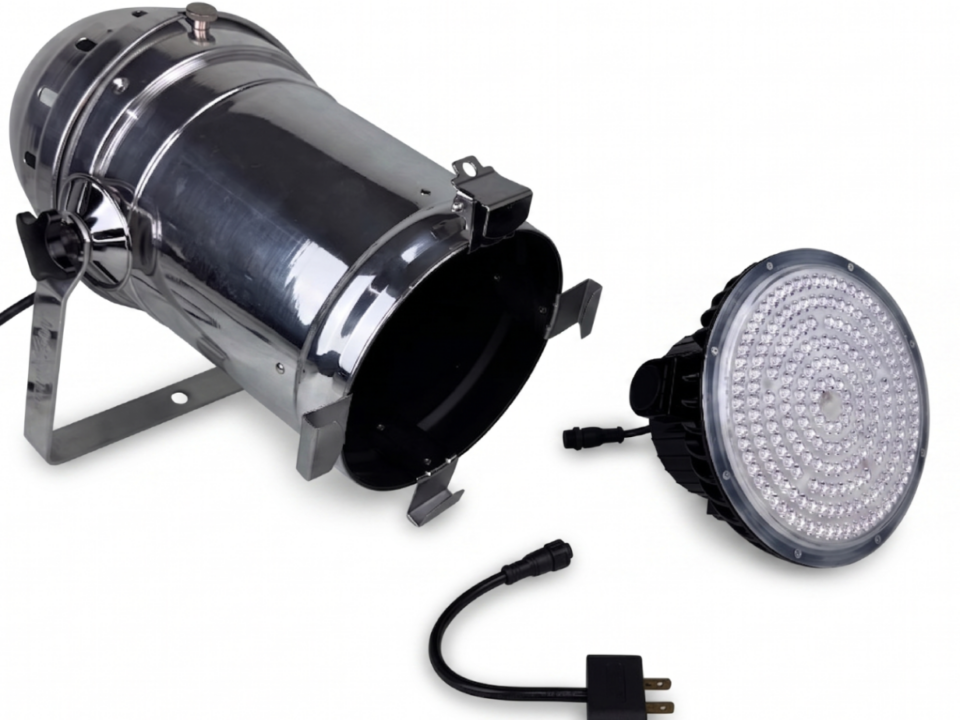
LED retrofits have become a practical solution because they allow churches to improve light quality and operating efficiency while continuing to use many of their existing fixtures. Instead of starting over with an entirely new lighting system, many churches can modernize what they already have.
From Dim to Clear, Comfortable Visibility
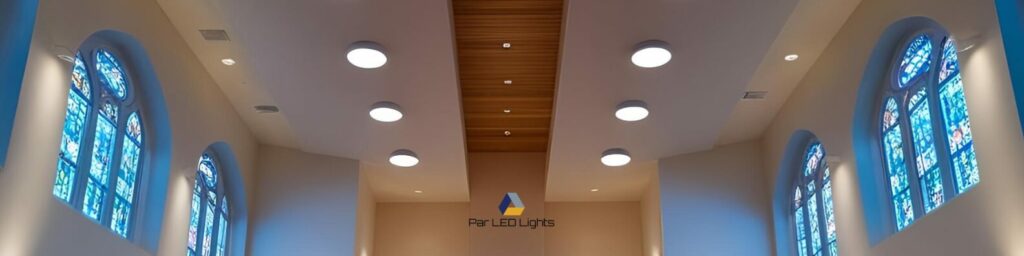
Older lamps often produce inconsistent light, shift color over time, and make it harder for the congregation to clearly see the platform. LED lighting helps create a more stable visual environment. Faces are easier to see, printed materials are easier to read, and architectural features such as woodwork, stained glass, or decorative ceiling details can appear more natural and vibrant.
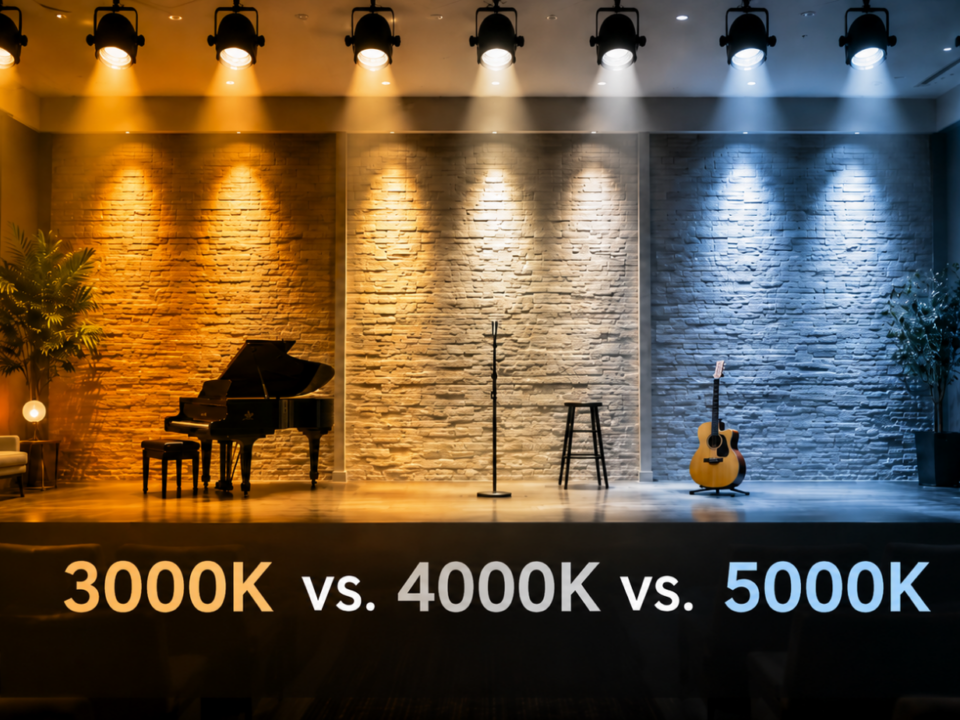
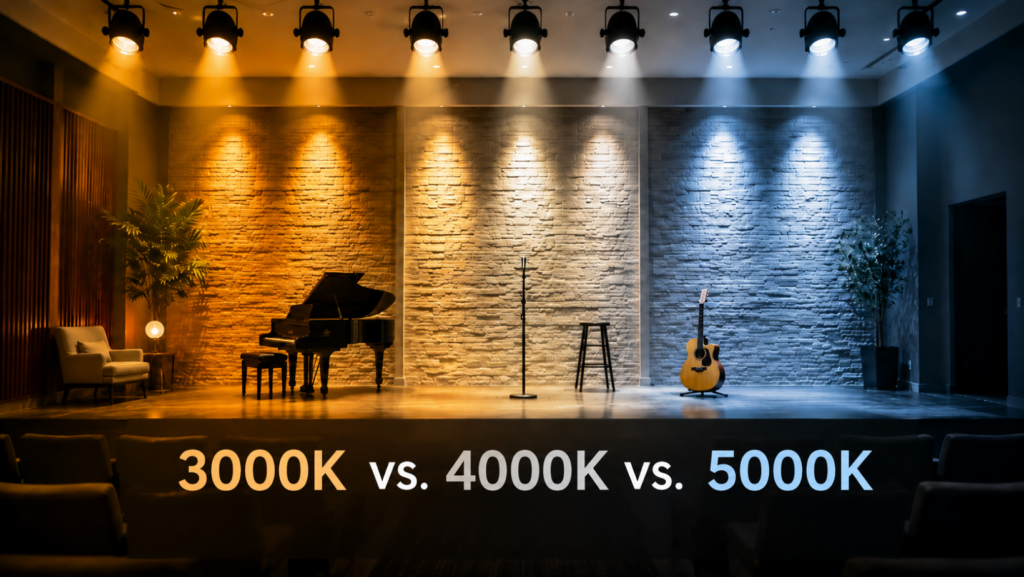
Depending on the sanctuary and the desired atmosphere, churches often prefer warmer tones for a softer, more welcoming effect. At the same time, they still need enough output and clarity to support sermons, music, and livestream-friendly visibility.
Cooler Sanctuaries, Better Comfort
One of the most noticeable differences after a church lighting retrofit is the reduction in heat. Traditional PAR lamps can generate excessive heat near the platform, choir, pulpit, or altar, especially during longer services, rehearsals, and seasonal events.
- Reduce heat output in worship spaces
- Help ease the load on HVAC systems
- Lower strain on fixtures and surrounding components
- Create a more comfortable environment for pastors, musicians, and worship teams
Lower Operating Costs Over Time
For churches that are careful stewards of their budgets, lighting efficiency matters. Replacing older halogen lamps with LED retrofits can significantly reduce electricity usage and lower maintenance expenses over time.
That means more of the budget can stay focused on ministry, outreach, programming, building care, and other long-term priorities rather than frequent lamp replacement and high utility costs.
Longer Lamp Life Means Less Maintenance
In many churches, changing lamps is not a simple task. High ceilings, decorative architecture, and elevated fixture positions can make relamping time-consuming and inconvenient. In some cases, it requires special equipment or outside labor.
LED retrofits help reduce that burden by lasting far longer than halogen lamps. Fewer replacements mean less interruption, less maintenance planning, and greater confidence that the sanctuary lighting system will be ready each week when needed.
Dimming, Atmosphere, and Worship Flow
Modern worship services often move through different moments that call for different lighting levels. A sermon may need clear, steady illumination. A prayer time may call for softer light. Music may benefit from a brighter or more energized setting. The ability to transition matters.
LED retrofit lamps that support smooth dimming can help churches create those transitions more naturally, often while working with many existing dimmer systems. That gives churches more flexibility without forcing a complete control-system replacement.

Choosing the Right Retrofit Path
Not every sanctuary needs the same lamp size or beam spread. Some churches need tighter coverage on a pulpit or platform area, while others need broader illumination across a larger sanctuary. That is why it helps to look at the existing fixtures, ceiling height, throw distance, and worship-space layout before choosing a retrofit.
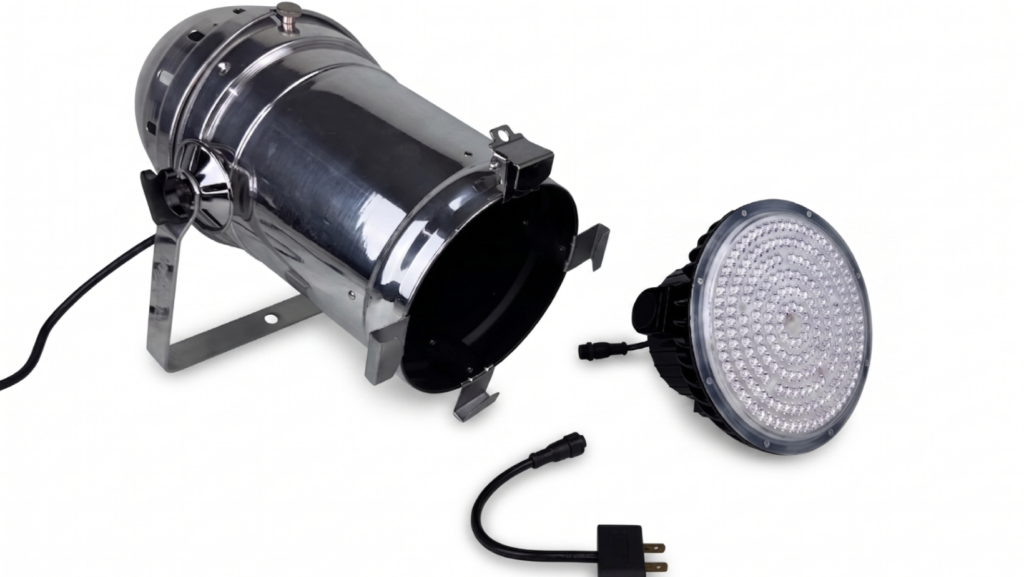
PAR56 LED Retrofit Lamps
can be a strong choice for more focused lighting needs, smaller sanctuary zones, and tighter coverage.
PAR64 LED Retrofit Lamps
are often better suited to larger sanctuaries, higher ceilings, and broader coverage requirements.
For more direct buying guidance, fixture recommendations, and sanctuary-specific retrofit advice, visit our
church lighting retrofit page.
Looking for a More Specific Church Lighting Recommendation?
This page is designed as a practical guide to church lighting upgrades. If you are ready to compare products or choose the right retrofit setup for your sanctuary, platform, or worship space, visit our main church lighting page.