

High Ceiling Lighting Solutions for Houses of Worship
May 5, 2024
Picking the Right PAR LED Retrofit Wattage
June 12, 2024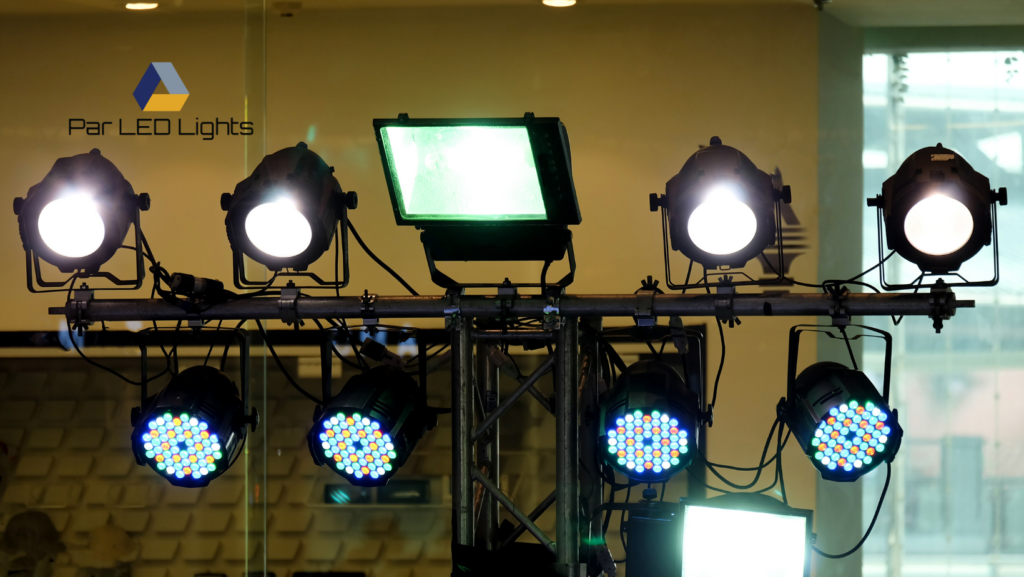
PAR38 vs. PAR56 vs. PAR64 LED Lamps
A Practical Guide to PAR, BR and MR Lighting
PAR lamps are directional light sources used in track lighting, recessed downlights, retail displays, galleries, restaurants, churches, stages, theaters, auditoriums, and commercial spaces. The confusing bit is that PAR38, PAR56 and PAR64 belong to different fixture categories, even though their names follow the same sizing system.
This guide explains how PAR lamp sizes work, where each format is normally used, how PAR differs from BR and MR bulbs, how beam angle affects coverage, and what to verify before choosing an LED retrofit.
PAR38 vs. PAR56 vs. PAR64 vs. BR vs. MR
Start with the fixture you already have. Lamp diameter, base, voltage, and overall dimensions must match before output or beam angle is considered.
| Type | Nominal Diameter | Typical Fixture / Connection | Common Uses |
|---|---|---|---|
| PAR38 | 4.75 in. | Usually an E26 medium screw base in track heads, recessed cans and directional fixtures | Track lighting, recessed downlights, galleries, retail, hospitality and commercial accent lighting |
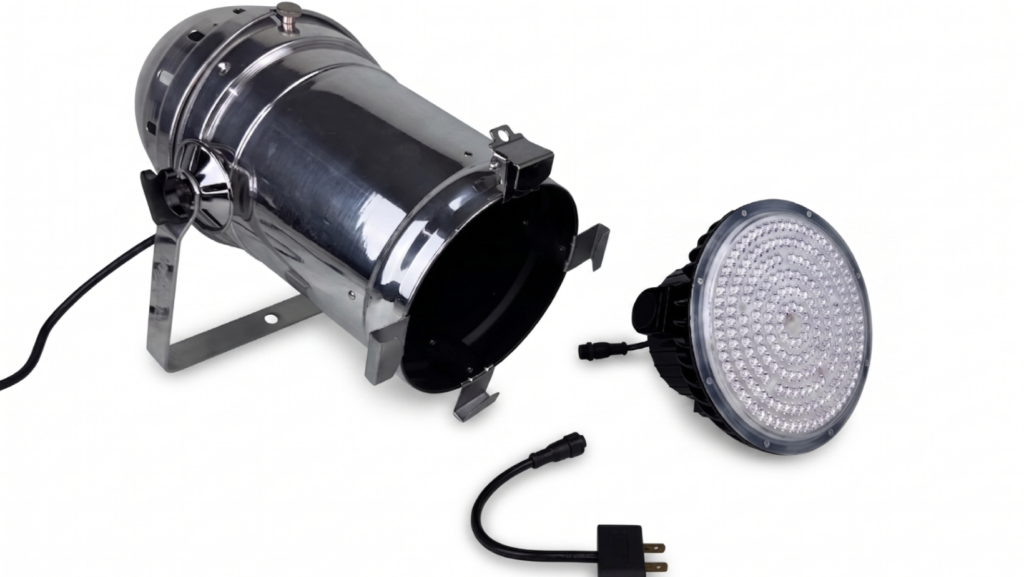
| PAR56 | 7 in. | Existing 7-inch PAR cans; connection varies by lamp and may include GX16d, EX39 or wired options | Church platforms, smaller stages, displays, restaurants and commercial venue lighting |
| PAR64 | 8 in. | Existing 8-inch PAR cans; connection varies by lamp and fixture | Stages, theaters, auditoriums, large churches, event venues and higher-output installations |
| BR | Varies by model | Commonly screw-base recessed fixtures | Softer, wider general illumination in rooms and recessed-lighting applications |
| MR | MR16 is 2 in. | Compact accent fixtures; base and voltage vary, including bi-pin and line-voltage options | Display, accent and compact track lighting |
What Does PAR Mean in Lighting?
PAR traditionally stands for parabolic aluminized reflector. The number following PAR identifies the lamp’s nominal diameter in eighths of an inch. Divide the number by eight to estimate the diameter.
The PAR number is only the starting point. Overall lamp length, base or connector, voltage, fixture clearance, and heat dissipation still need to be checked before ordering a replacement.
PAR38 vs. PAR56 vs. PAR64
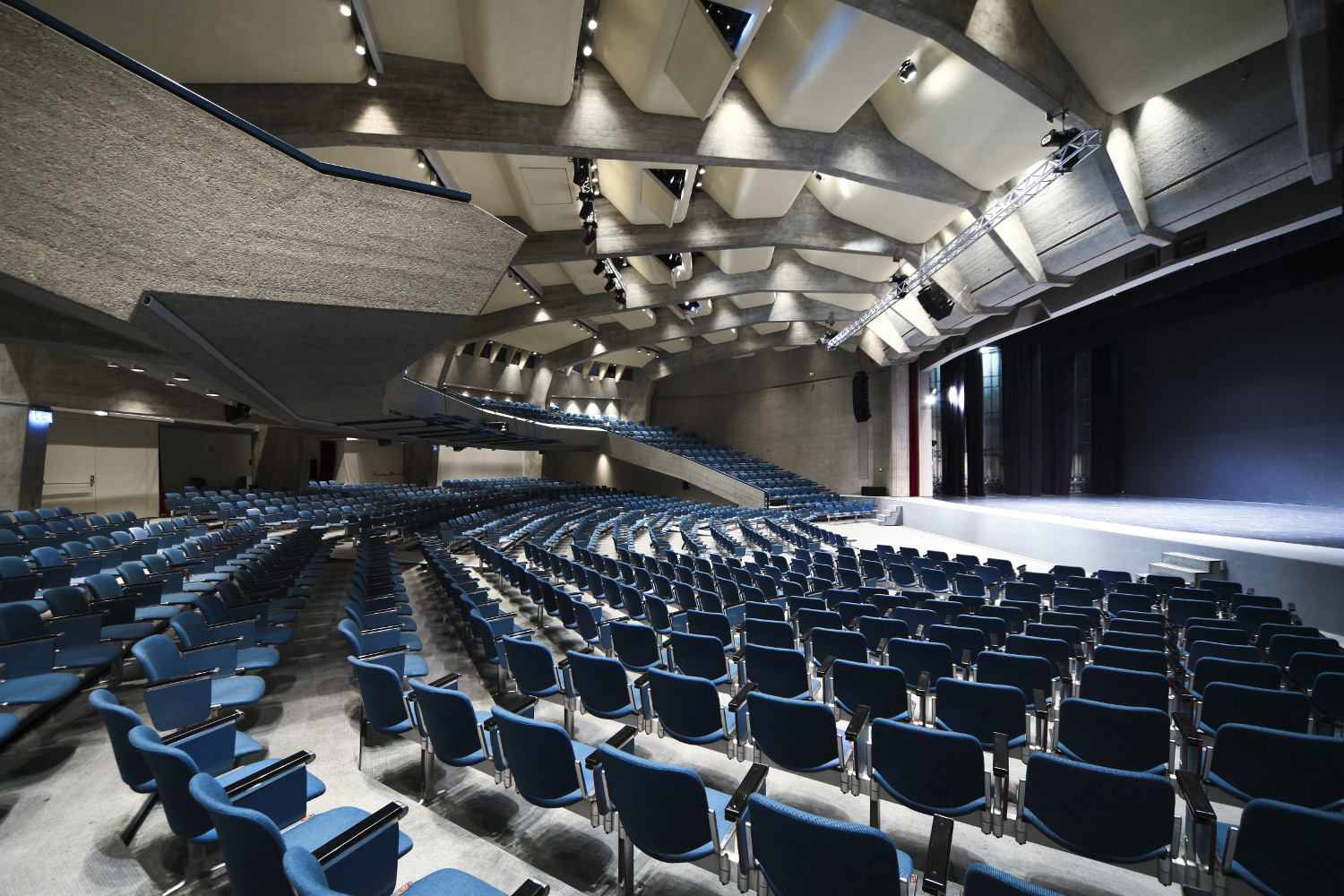
These lamp formats share a naming system, but they are not direct substitutes. PAR38 is normally used in architectural and commercial screw-base fixtures. PAR56 and PAR64 are much larger formats commonly used in theatrical-style PAR cans and venue lighting.
PAR38 LED Lamps
Best fit: Track heads, recessed downlights, retail displays, galleries, restaurants, hotels and other directional commercial fixtures.
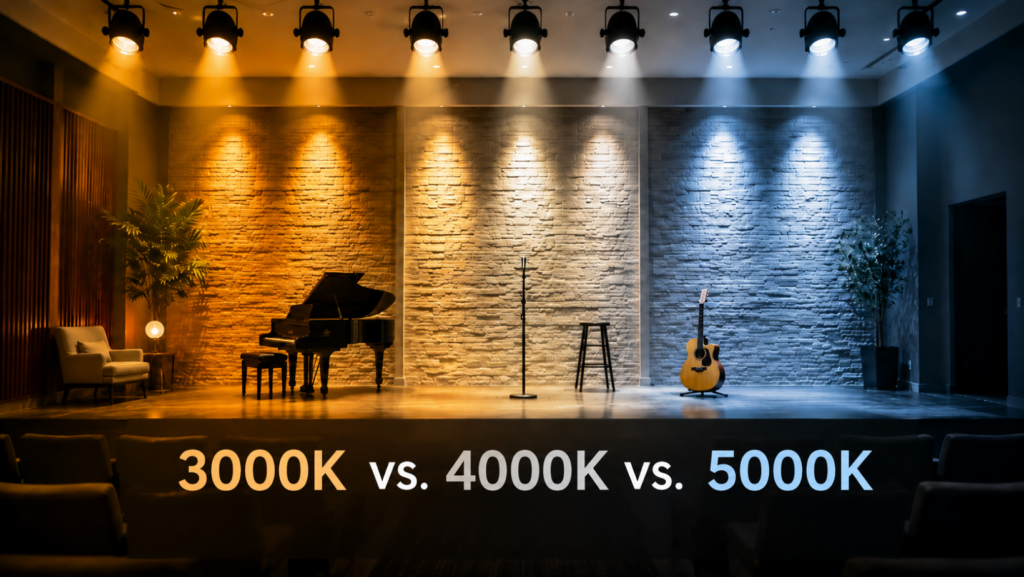
The HyLite Lotus LS-1830 uses an E26 base and combines 18W, 25W and 30W settings; 1,980–3,300 lumens; five CCTs; and 25°, 40° and 60° beams. That creates 45 selectable configurations in one lamp.
PAR56 LED Lamps
Best fit: Existing 7-inch PAR cans used on platforms, smaller stages, in churches, displays, restaurants and commercial venues.
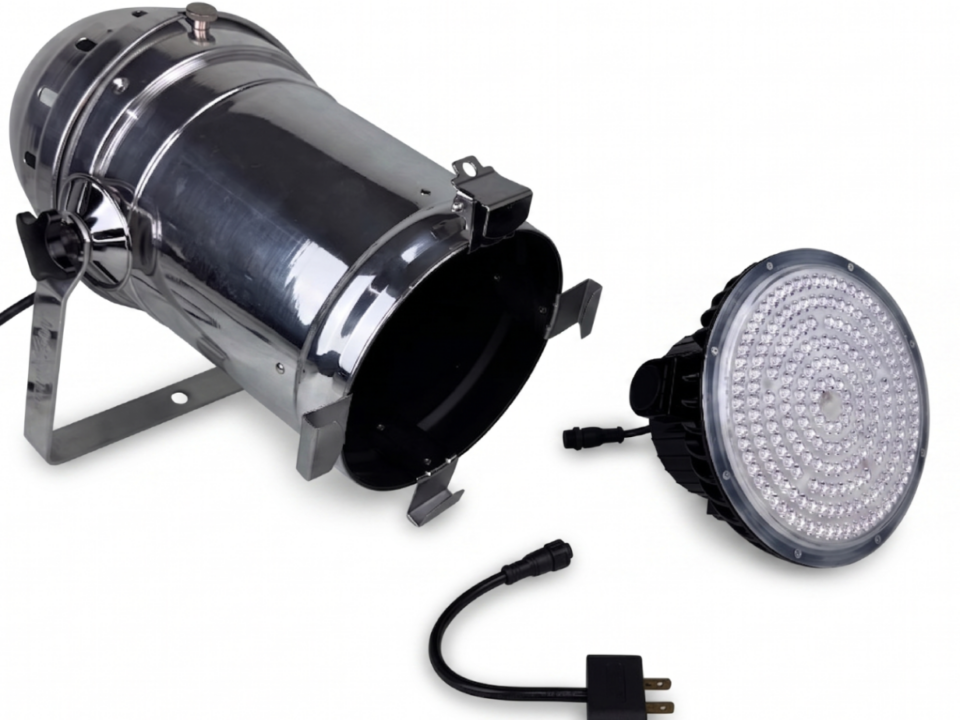
Current Lotus PAR56 options include 40W and 60W LED lamps positioned as replacements for 300W and 500W halogen lamps. Beam and connection options vary by SKU.
PAR64 LED Lamps
Best fit: Existing 8-inch PAR cans in theaters, auditoriums, large churches, stages, event venues, and higher-output installations.
Current Lotus PAR64 options include 100W and 150W lamps. The larger format can support high-output applications, but actual throw depends on beam angle, center-beam intensity, mounting distance, and the specific optic.
Important: A PAR38 screw-base lamp normally will not fit a PAR56 or PAR64 theatrical can, and a large-format PAR56/PAR64 retrofit does not belong in a PAR38 track head. Match the existing fixture first.
PAR vs. BR vs. MR Bulbs
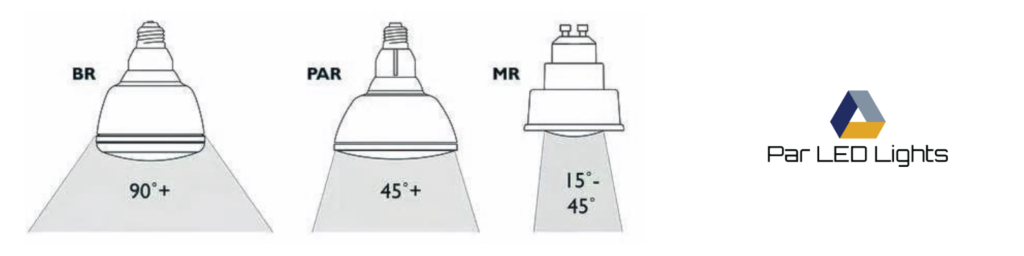
PAR, BR, and MR bulbs can all direct light, but they are designed for different beam patterns, fixture sizes, and applications. Modern LED optics can blur the old construction-based definitions, so the published beam angle and photometric data matter more than the silhouette alone.
PAR Bulbs
Best when controlled, directional illumination is needed for accent lighting, track lighting, displays, architecture, stages, or venue lighting.
BR Bulbs
BR means bulged reflector. These lamps generally create a wider, softer flood with less-defined beam edges for general room and recessed lighting.
MR Bulbs
MR means multifaceted reflector. MR lamps are compact directional sources used for accent and display lighting; base type and voltage vary considerably.
PAR Beam Angles Explained
Beam angle describes the main cone of light, measured where intensity falls to 50% of the center-beam maximum. Field angle extends to the 10% intensity points, while center-beam candlepower indicates how intense the center of the beam is.
That means two lamps can produce similar lumens but perform very differently at a given mounting height. Choose by beam angle, intensity, throw distance and fixture spacing—not wattage alone.
LED PAR Retrofit Compatibility Checklist
A lamp can be the correct PAR size and still be electrically or photometrically incorrect. Confirm every item below before ordering.
PAR38 LS-1830 note: If the existing fixture contains a ballast, it must be bypassed or removed so the lamp receives direct 100–277VAC line voltage. Confirm the approved dimmer or control method before installation.
A qualified person should complete fixture rewiring in accordance with applicable electrical codes and the manufacturer’s installation instructions.
Which PAR LED Lamp Should You Choose?
Choose PAR38 When…
You are upgrading an E26 track light, recessed downlight, or compact directional fixture and need selectable output, color temperature, or beam control.
Choose PAR56 When…
You have an existing 7-inch PAR can and need a retrofit for a platform, smaller stage, church, display, restaurant, or lower- to medium-output venue application.
Choose PAR64 When…
You have an existing 8-inch PAR can and require a higher-output option for a theater, auditorium, large stage, event venue, or high-ceiling installation.
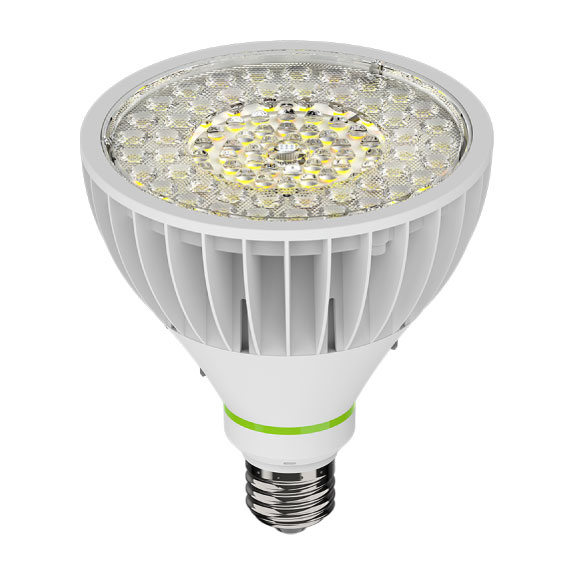
PAR38 LED Retrofit Lamps
Field-configurable engineering with adjustable wattages, color temperatures, and optics. Built for existing E26 medium screw base tracks, recessed downlights, and commercial display fixtures.
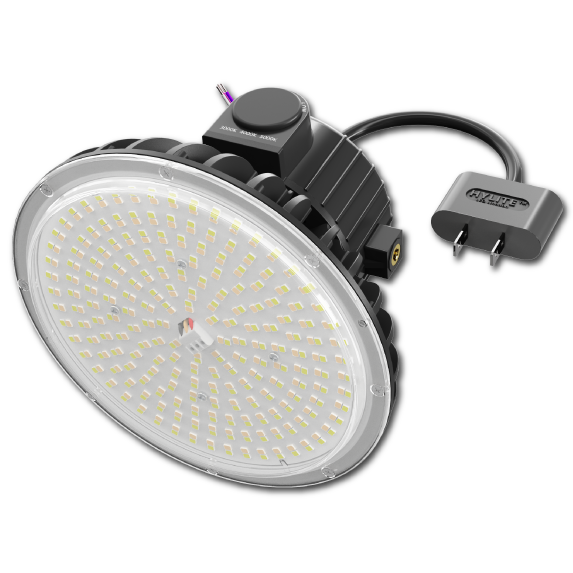
PAR56 LED Retrofit Lamps
Dual-wattage 40W/60W model. Best for smaller performance spaces, studios, and structural PAR cans. Retrofits traditional commercial halogen lamps to deliver up to 10,195 lumens.
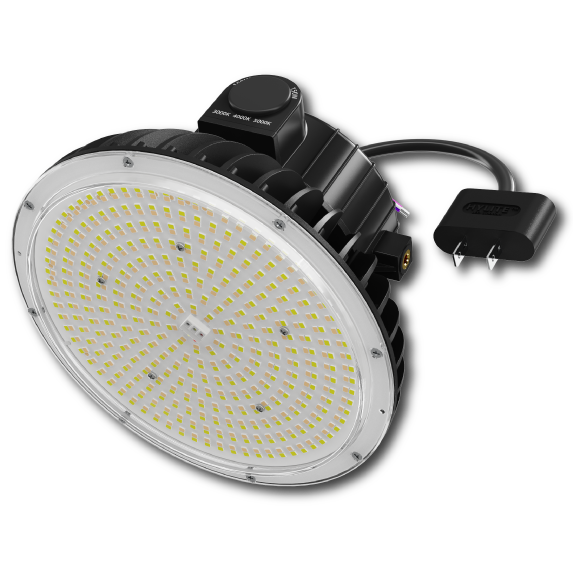
PAR64 LED Retrofit Lamps
High-output dual-wattage 100W/150W model. Engineered for deep-throw theatrical housings, tall church sanctuaries, and auditoriums. Delivers up to 24,503 lumens.
When Is an LED Retrofit Lamp the Right Choice?
An LED retrofit is often a practical choice when the existing housing is structurally sound, the socket or connection can support the new lamp, and the existing fixture layout still meets the lighting plan. A retrofit can reduce energy use, heat, maintenance, and relamping without replacing every housing.
A full fixture replacement may make more sense when the housings are damaged, the wiring is obsolete, ventilation is inadequate, the new controls are incompatible, or the existing spacing cannot deliver the required photometric performance.
For more planning help, review the PAR can LED retrofit guide and the PAR halogen replacement guide.

Ready to Choose the Right PAR Retrofit?
PAR38 is the compact choice for many track and recessed fixtures. PAR56 and PAR64 are large-format solutions for existing PAR cans. The correct selection depends on fixture size, base or connector, voltage, beam angle, mounting height, and required output.
Send PAR LED Lights a photo of the fixture and the markings on the lamp you are replacing to help narrow down the best option.
Frequently Asked Questions
What do the numbers in PAR38, PAR56 and PAR64 mean?
Is PAR38 the same type of lamp as PAR56 or PAR64?
Can a PAR38 lamp be installed in a PAR56 or PAR64 can?
Which PAR lamp is best for track lighting and recessed downlights?
Which format is best for stages, theaters and auditoriums?
How does a PAR bulb differ from a BR bulb?
Which PAR beam angle should I choose?
Can I replace a halogen PAR lamp with LED without rewiring?