

LED PAR Beam Angle Guide
April 5, 2026
The Venue Manager’s PAR Can Retrofit Audit
June 10, 2026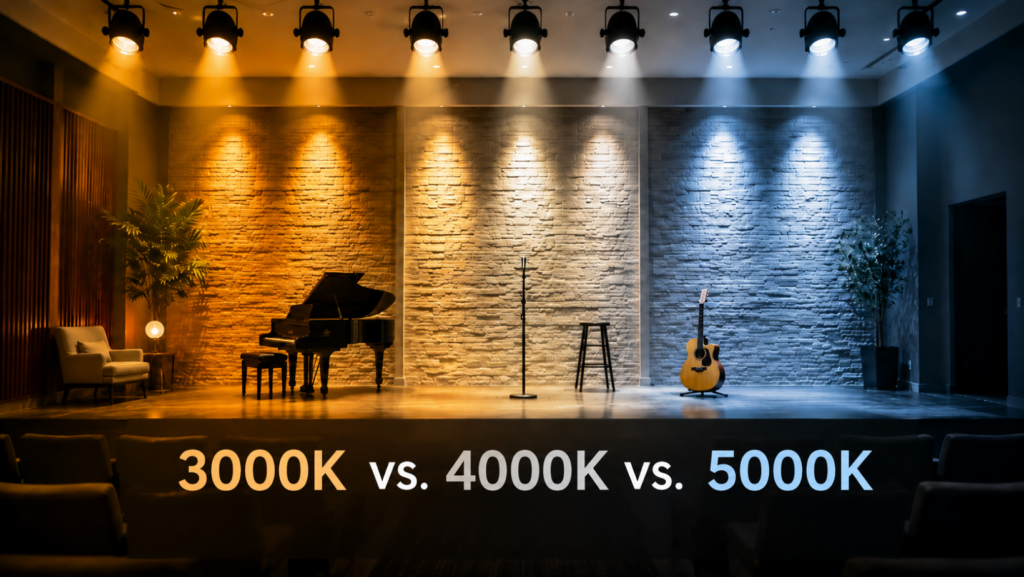
Color temperature is one of those lighting specs that sounds technical until you see it in the room. Then it suddenly becomes very obvious. Too warm, and a stage can feel dim or sleepy. Too cool, and a sanctuary, ballroom, or restaurant can start to feel like a dentist’s office with a microphone.
When you are choosing PAR LED retrofit lamps for an existing PAR can fixture, brightness is only part of the decision. You also need to think about how the light should feel. That is where color temperature comes in. The difference between 3000K, 4000K, and 5000K can change how people, wood tones, fabrics, architecture, products, artwork, and stage sets appear.
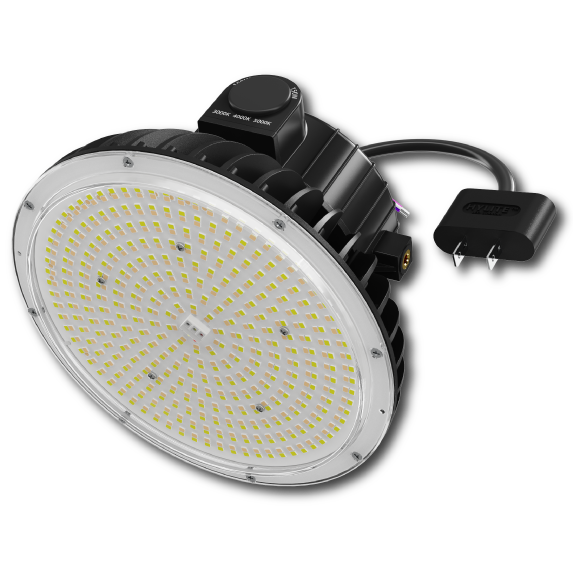
PAR LED Lights makes that decision easier with color-selectable PAR56 and PAR64 LED retrofit lamps. Instead of locking you into a single permanent look before installation, these lamps let you choose among 3000K warm white, 4000K neutral white, and 5000K cool white in a single lamp.

Quick takeaway: Use 3000K for a warmer, softer, more welcoming look. Use 4000K for a clean, balanced, neutral white. Use 5000K for a crisper, cooler, high-visibility look. For many churches, stages, auditoriums, and venues, the best answer may vary by room, zone, event, or use case.
What Color Temperature Means in Venue Lighting
Color temperature describes the appearance of white light. It is measured in Kelvin, often written as “K.” Lower Kelvin numbers look warmer and more yellow. Higher Kelvin numbers look cooler and more blue-white.
The U.S. Department of Energy explains that the appearance of light is measured by correlated color temperature (CCT), expressed on the Kelvin scale from warm to cool. DOE’s Lighting Facts guidance also reminds buyers that brightness is measured in lumens, not watts. That distinction matters because color temperature is not the same thing as brightness. A 3000K lamp is not automatically dimmer than a 5000K lamp. It simply has a warmer appearance.
Lighting Design Lab defines lower color temperatures of 3500K or less as warm in appearance, mid-range color temperatures around 3500K to 4100K as neutral or white, and higher color temperatures above 4100K as cooler in appearance. That gives us a useful framework for PAR LED retrofit planning: 3000K is warm, 4000K is neutral, and 5000K is cool. Lighting Design Lab explains this CCT range in its lighting terminology guide.
3000K Warm White
Softer, warmer, and more inviting. Often useful where comfort, warmth, hospitality, or traditional atmosphere matters.
4000K Neutral White
Clean, balanced, and practical. Often, a strong middle ground is needed for multipurpose spaces and general visibility.
5000K Cool White
Crisper, cooler, and more daylight-like. Often useful where high visibility, clarity, or a modern appearance is preferred.
3000K vs. 4000K vs. 5000K at a Glance
Before we get into specific applications, here is the simple buyer-friendly version.
| Color Temperature | Appearance | Best Starting Point For | Watch Out For |
|---|---|---|---|
| 3000K | Warm white | Churches, sanctuaries, restaurants, hospitality spaces, warmer stages, traditional interiors, wood finishes, and intimate venues | Can feel too warm if the space needs crisp presentation lighting or a modern commercial look |
| 4000K | Neutral white | Auditoriums, schools, multipurpose rooms, conference spaces, retail displays, event spaces, general stage wash | May feel less cozy than 3000K in traditional or hospitality-focused rooms |
| 5000K | Cool white | High-visibility commercial spaces, displays, technical rooms, certain event applications, modern venues, and areas where a crisp white look is wanted | Can feel too stark or cold in worship, hospitality, or intimate performance spaces if overused |
When to Use 3000K Warm White
Choose 3000K when the goal is warmth, comfort, welcome, and atmosphere. This is often the safest starting point for spaces where people gather, reflect, dine, worship, or experience a more traditional setting.
In churches, 3000K can help preserve a softer sanctuary feel while still improving visibility. In restaurants and hospitality settings, it can make wood tones, warm finishes, table settings, and architectural details feel more inviting. In theaters, 3000K can help maintain a warmer stage tone for speaking events, acoustic performances, intimate productions, and traditional interior settings.
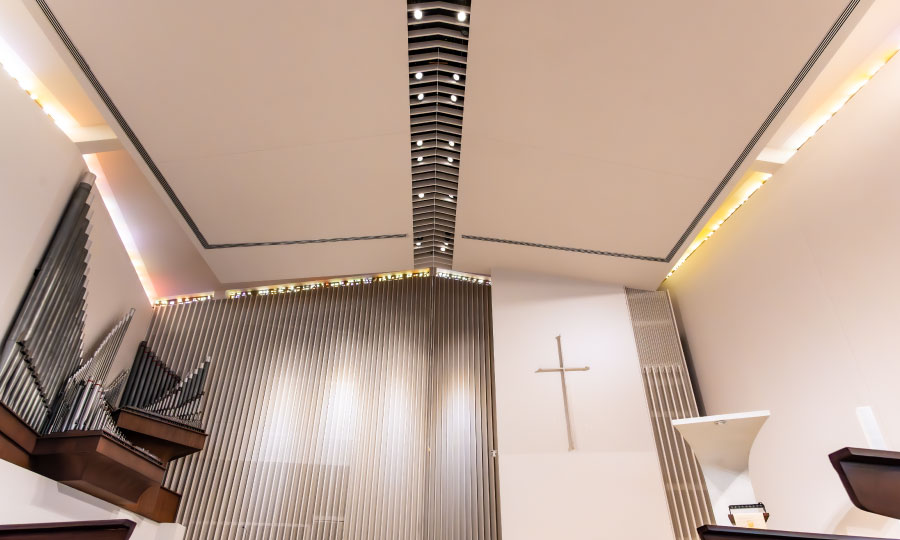
That does not mean 3000K is always the answer. If the space is used for presentations, cameras, product displays, or highly detailed visual tasks, you may want to compare 3000K against 4000K before committing. Warm light can feel comfortable, but neutral light may provide a cleaner look for certain modern or multipurpose uses.
Good fits for 3000K
- Church sanctuaries and worship spaces
- Restaurants, bars, and hospitality venues
- Traditional theaters and historic interiors
- Hotel ballrooms with warm finishes
- Wood ceilings, stone, brick, stained glass, or traditional architecture
- Warm platform lighting for speakers, pastors, musicians, and performers
- Spaces where the room should feel calm, comfortable, or intimate
When to Use 4000K Neutral White
Choose 4000K when you want the room to feel clean, clear, balanced, and flexible. This is often the best middle ground for multipurpose venues because it gives you a neutral white appearance without leaning too warm or too cool.
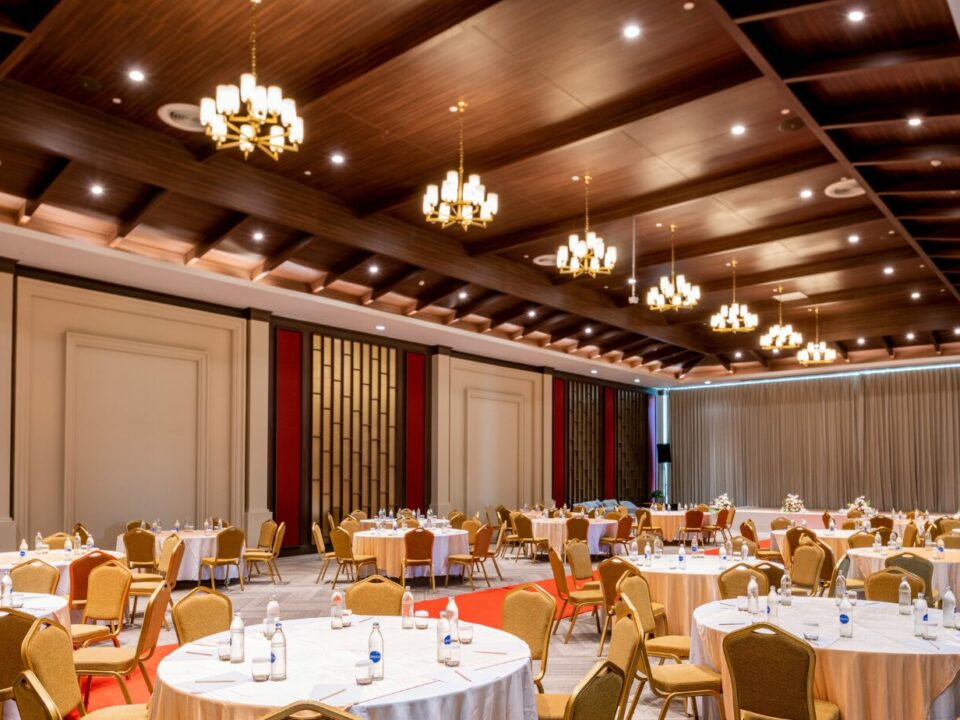
In schools, auditoriums, event rooms, conference spaces, and general venue lighting, 4000K can be a very practical choice. It helps the room feel more alert and modern than 3000K, but usually does not feel as stark as 5000K.
Many buyers end up preferring 4000K because it is the “not too warm, not too cool” option. Very scientific? No. Very useful? Absolutely.
Good fits for 4000K
- School auditoriums and presentation spaces
- Community theaters and civic venues
- Hotel ballrooms and event rooms
- Conference centers and convention spaces
- Retail displays where clean, balanced color is needed
- Multipurpose rooms that host different event types
- Stage wash where visibility and neutrality matter more than mood
When to Use 5000K Cool White
Choose 5000K for a brighter, cooler, more daylight-like appearance. This can work well in spaces where visibility, crispness, contrast, and a modern look matter more than warmth.
5000K can be useful for certain commercial venues, technical spaces, displays, high-visibility areas, and applications where clarity is the goal. It may also be helpful in some event settings where the room needs a clean, energetic look.
The caution is simple: 5000K can look too cool in some churches, theaters, restaurants, and warm hospitality interiors. On faces, wood, stone, fabrics, or older interiors, it can sometimes feel a little harsh if used everywhere. That does not make it bad. It just means it should be chosen intentionally.
Good fits for 5000K
-
- High-visibility commercial spaces
- Modern retail displays
max-width: 980px; margin: 0 auto; font-size: 18px; line-height: 1.75; color: #263043;
-
- Task-oriented venue areas
- Technical spaces and backstage work zones
max-width: 980px; margin: 0 auto; font-size: 18px; line-height: 1.75; color: #263043;
- Event rooms where a clean, crisp look is preferred
- Display lighting where cooler white supports the product or environment
- Some presentation and production spaces where clarity matters most
Best Color Temperature for Churches
For many churches, 3000K is the best starting point. It supports a warm, welcoming, sanctuary-friendly look without turning the room cold or overly commercial. This is especially true in worship spaces with wood ceilings, stone, stained glass, traditional architecture, warm wall colors, or intimate seating.
That said, some churches may prefer 4000K for platform lighting, livestream areas, or multipurpose rooms where cleaner visibility is important. A sanctuary may feel best at 3000K, while a fellowship hall, classroom, or multipurpose stage may look better at 4000K.
The big win with multi-CCT PAR LED lamps is that your team does not have to get it right before installation. You can test 3000K, 4000K, and 5000K in the actual room and choose the setting that looks best with the architecture, finishes, camera setup, and worship style.
Church lighting tip: Start with 3000K for the sanctuary, then test 4000K on the platform if livestream visibility, facial clarity, or presentation lighting needs a cleaner look. Reviewing specialized insights on church stage & sanctuary lighting retrofits can help finalize your layout plans.
Best Color Temperature for Stages and Theaters
Stage and theater lighting is tricky because the “best” color temperature depends on the type of performance, the mood of the scene, the performers’ skin tones, the set design, camera use, and how the fixtures are being used.
For general stage wash, 3000K can create a warmer, performance-oriented look, while 4000K can create a cleaner, more neutral appearance. If the space is used for presentations, school performances, lectures, livestreaming, or multi-use events, 4000K may be the most flexible starting point. For a cooler, more modern, high-contrast look, 5000K can work in certain production environments.
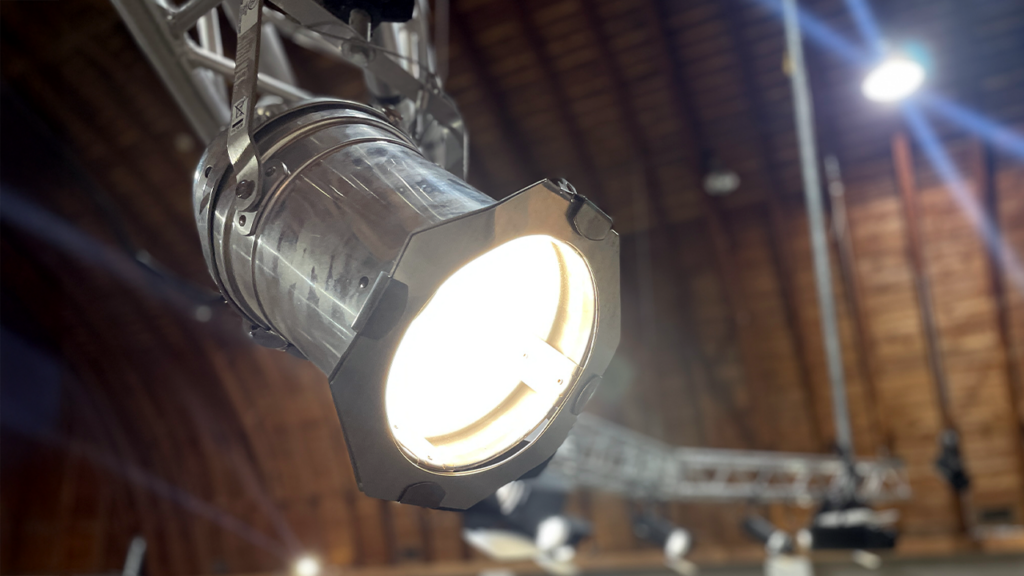
For theaters that host many different productions, the flexibility of selectable CCT is especially helpful. The same fixture zone may need warm white for a spoken-word event, neutral white for school productions, and cooler white for a modern concert or visual presentation. Since a fixed color temperature can quickly become limiting, using modern LED stage & theater lighting retrofits provides a future-proof solution.
h2 style=”color: #1b2d5a; margin-top: 42px; font-weight: bold;” Best Color Temperature for Auditoriums and Multipurpose Rooms
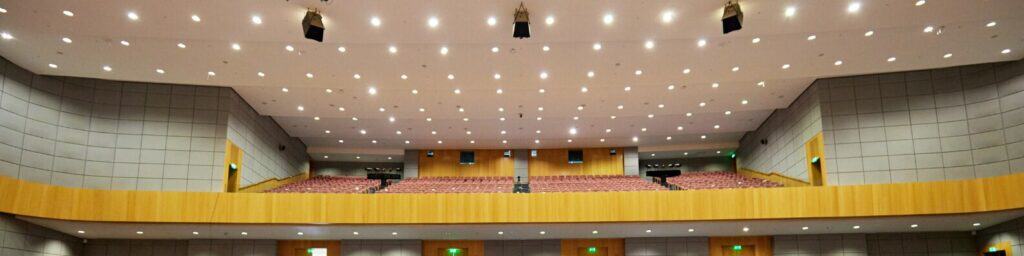
Auditoriums and multipurpose rooms are where 4000K often shines. Pun fully intended. These spaces usually need flexibility, visibility, and a balanced look. One day, the room may host a school assembly. The next day, it may host a lecture, a performance, a board meeting, a worship service, a banquet, or a community event.
In these spaces, 3000K can feel comfortable and welcoming, especially for evening events or traditional interiors. 4000K can feel cleaner and more practical for presentations and general use. 5000K can be useful in zones where visibility and crispness are the top priority.
This is where multi-CCT lamps are a quiet little superhero. Instead of ordering a single color temperature for the entire room and hoping it works for every use case, facility teams planning auditorium LED lighting retrofits can standardize the lamp type while seamlessly adjusting the look by zone or event needs.
| Auditorium Use | Best Starting CCT | Why |
|---|---|---|
| School assembly | 4000K | Clean visibility for speakers, students, and presentations |
| Theater performance | 3000K or 4000K | Warmth for atmosphere or neutrality for flexible stage wash |
| Lecture or presentation | 4000K | Balanced white light that supports note-taking, faces, and screens |
| Banquet or evening event | 3000K | Warmer atmosphere for hospitality and comfort |
| High-visibility setup or teardown | 5000K | Crisper white light for technical or task-focused work |
Best Color Temperature for Retail Displays and Commercial Spaces
Retail and commercial spaces need lighting that supports the product, the brand, and the customer experience. A warm boutique, gallery, restaurant, or hospitality venue may benefit from 3000K. A showroom, event space, display area, or conference environment may feel more accurate and balanced at 4000K. A technical-commercial setting or a crisp, modern display may lean toward 5000K.
This is also where CRI matters. Color temperature affects whether the light feels warm, neutral, or cool. CRI affects how accurately colors appear under that light. PAR LED Lights retrofit lamps offer a CRI greater than 90, helping surfaces, products, finishes, fabrics, skin tones, and set pieces look more natural and true-to-life. Understanding exactly how LED PAR cans improve restaurant ambiance can help you design layouts that encourage guests to linger longer.
Put differently: CCT controls the “vibe.” CRI helps protect the “truth.” You want both working together.
Retail and Commercial Starting Points
- 3000K: Hospitality, restaurants, boutiques, warm displays, wood finishes, relaxed environments
- 4000K: General retail, showrooms, conference rooms, commercial displays, multipurpose spaces
- 5000K: Crisp modern displays, technical spaces, high-visibility areas, task-oriented commercial lighting
Why Multi-CCT PAR LED Lamps Make Retrofit Planning Easier
In older lighting projects, selecting color temperature could be a little nerve-racking. You had to pick one CCT, order the lamps, install them, and hope the room looked the way you imagined. That is not always easy because color temperature varies with finishes, flooring, stage material, seating color, wall color, ceiling height, natural light, and how the space is used.
Multi-CCT PAR LED lamps solve that problem by giving the venue greater flexibility once the lamps are in hand. With selectable 3000K, 4000K, and 5000K options, one lamp can adapt to different spaces, different preferences, and different visual goals.

Multi-CCT lamps reduce the guesswork by allowing teams to test warm, neutral, and cool white settings in the actual room.
Multi-CCT helps reduce buying mistakes.
If a buyer orders only 3000K lamps and later decides the stage looks too warm, the fix may require reordering. If a buyer orders only 5000K lamps and the sanctuary feels too cold, the same problem occurs. Multi-CCT gives the team more room to adjust without having to start from scratch.
Multi-CCT reduces SKU complexity.
Facility teams do not always want shelves full of separate warm, neutral, and cool lamps for every fixture type. A selectable lamp can simplify stocking because the same lamp family can cover more possible use cases.
Multi-CCT supports different rooms in the same venue
A church may want 3000K in the sanctuary and 4000K in the fellowship hall. A school may want 4000K in the auditorium and 5000K in a technical work area. A hotel may want 3000K for evening events and 4000K for daytime conferences. Multi-CCT gives the venue a practical way to standardize the product while customizing the result.
Multi-CCT makes future changes easier.
Spaces change. A sanctuary adds livestreaming. A theater adds more speaking events. A retail room gets remodeled. A banquet hall changes its brand colors. A stage gets used for more presentations than performances. Having selectable CCT makes those changes easier to handle.
PAR56 vs. PAR64: Does Color Temperature Change the Choice?
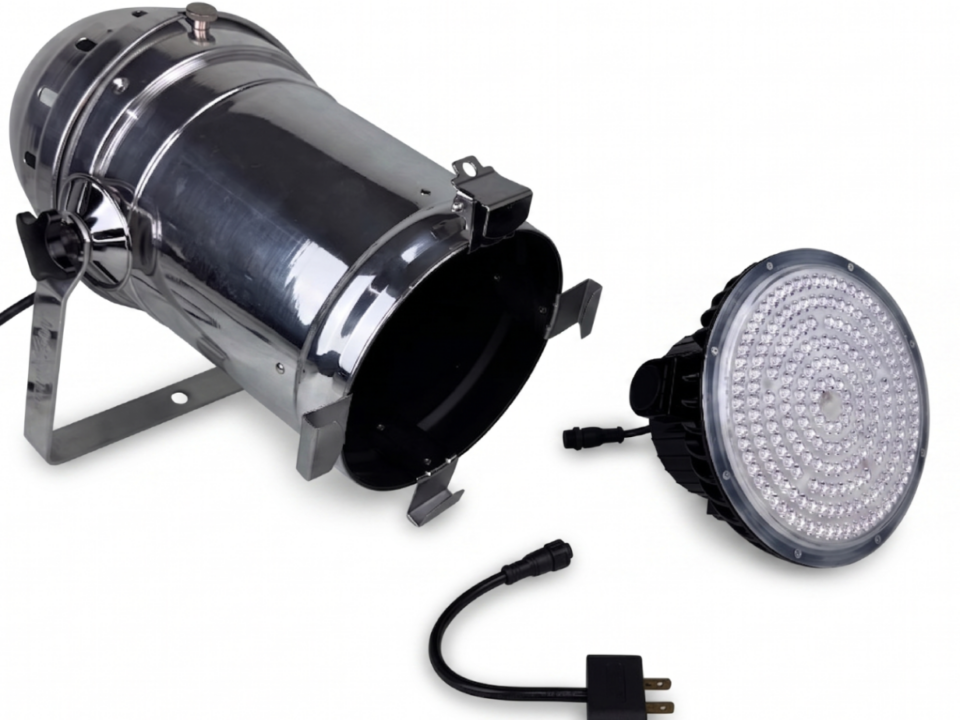
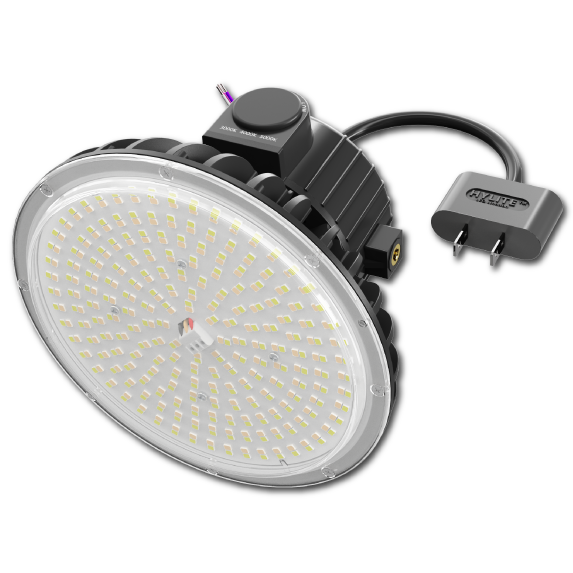
Color temperature does not decide whether you need PAR56 or PAR64. Fixture size, output needs, mounting height, beam angle, and throw distance still drive that decision. PAR56 is often a strong fit for smaller fixtures, lower mounting heights, shorter throws, and tighter zones. PAR64 is usually better for larger fixtures, higher ceilings, longer throws, larger stages, and spaces that need more output.
The good news is that PAR LED Lights offers both PAR56 and PAR64 retrofit families with selectable 3000K, 4000K, and 5000K options. That means you can choose the right fixture size and output level first, then fine-tune the color temperature based on our structural breakdown for choosing between PAR56 and PAR64 LED retrofits.
Color Temperature Mistakes to Avoid
Color temperature is simple once you understand it, but it is also easy to choose casually and regret it later. Here are the big mistakes to avoid.
- Choosing color temperature based only on preference. What looks good in one room may not work in another. Consider finishes, architecture, camera use, and the room’s purpose.
- Thinking 5000K is automatically brighter. Brightness is measured in lumens. 5000K may feel crisper, but that does not replace checking lumen output.
- Using one CCT everywhere without testing. A sanctuary, lobby, stage, retail display, and multipurpose room may each benefit from a different look.
- Ignoring CRI. Color temperature controls warmth or coolness. CRI affects how accurately colors appear.
- Forgetting about dimming. The way a lamp looks at full output may not be exactly how it feels when dimmed for an event or service.
- Not testing in the actual space. Wall colors, floor finishes, ceiling height, seating, wood tones, and stage materials all influence the final look.
Best practice: Test the selectable CCT settings in the actual space before finalizing. Look at people’s faces, stage surfaces, walls, seating, flooring, displays, and camera footage if the venue records or livestreams.
Simple Color Temperature Selection Checklist
Before you order PAR LED retrofit lamps, use this quick checklist.
CCT Planning Notes
- Identify the room type: church, stage, auditorium, retail, restaurant, event space, or commercial venue.
- Decide whether the room should feel warm, neutral, or crisp.
- Note important finishes: wood, stone, brick, fabric, paint, seating, flooring, displays, or set pieces.
- Confirm whether the space is used for livestreaming, recording, photography, or presentation.
- Choose 3000K as the warm starting point.
- Choose 4000K as the neutral/flexible starting point.
- Choose 5000K as the crisp/high-visibility starting point.
- Test the setting in the actual room before finalizing every fixture zone.
- Pair the CCT choice with the correct beam angle and lamp family.
- Contact PAR LED Lights if you want help matching color temperature, beam angle, and fixture type.
Recommended Starting Points by Venue Type
| Venue Type | Best Starting CCT | Why It Works |
|---|---|---|
| Church sanctuary | 3000K | Warm, welcoming, and respectful of traditional interiors |
| Church platform or livestream zone | 3000K or 4000K | Warmth for worship, or cleaner visibility for camera-facing areas |
| Theater stage | 3000K or 4000K | Warmth for atmosphere or neutrality for flexible stage wash |
| School auditorium | 4000K | Balanced visibility for assemblies, performances, lectures, and events |
| Hotel ballroom | 3000K or 4000K | Warmth for banquets, neutrality for meetings and conferences |
| Restaurant or bar | 3000K | Comfortable, inviting atmosphere for guests |
| Retail display | 3000K, 4000K, or 5000K | Depends on product, brand, finishes, and desired display tone |
| Technical or task area | 5000K | Crisper appearance for visibility and task-focused use |
Choose the Look, Then Choose the Lamp
Color temperature is not just a small product spec. It is one of the easiest ways to shape how a room feels. A 3000K setting can make a sanctuary, restaurant, or traditional venue feel warmer and more inviting. A 4000K setting can make an auditorium, school stage, or event room feel cleaner and more flexible. A 5000K setting can make certain commercial and technical spaces feel crisper and more focused.
The best part is that you do not have to lock yourself into one choice too early. With PAR LED Lights color-selectable PAR56 and PAR64 retrofit lamps, you can choose the correct lamp family, beam angle, connection type, and output level while still keeping 3000K, 4000K, and 5000K available in one lamp.
Need Help Choosing the Right Color Temperature?
Tell us about your venue, fixture type, ceiling height, room use, preferred atmosphere, and whether the space is used for stage lighting, worship, retail displays, presentations, or events. We can help you choose the right PAR56 or PAR64 LED retrofit lamp and the best starting CCT setting.
Color Temperature FAQs
What is the difference between 3000K, 4000K, and 5000K lighting?
3000K is warm white, 4000K is neutral white, and 5000K is cool white. Lower Kelvin values look warmer and more yellow, while higher Kelvin values look cooler and more blue-white.
Is 5000K brighter than 3000K?
Not necessarily. Brightness is measured in lumens. Color temperature describes the appearance of the light, not the total amount of light produced. A 5000K lamp may feel crisper, but you still need to compare lumen output when evaluating brightness.
What color temperature is best for church lighting?
Many churches start with 3000K because it creates a warmer, more welcoming sanctuary feel. Some churches may prefer 4000K for platform lighting, livestream zones, or multipurpose rooms where a cleaner, more neutral look is helpful.
What color temperature is best for stage lighting?
For stage lighting, 3000K can create a warmer performance look, while 4000K can provide a more neutral stage wash. 5000K may work for crisp modern looks, technical spaces, or high-visibility applications, but it can feel too cool for some traditional performance environments.
What color temperature is best for auditoriums?
4000K is often a strong starting point for auditoriums because it provides a clean, balanced appearance for assemblies, lectures, performances, and multipurpose events. However, 3000K may be better for warmer evening events or traditional interiors.
Why choose multi-CCT PAR LED retrofit lamps?
Multi-CCT lamps reduce guesswork. They allow facility teams to test warm, neutral, and cool white settings in the actual space rather than committing to a single permanent color temperature before installation. They can also reduce inventory complexity by covering more use cases with fewer lamp SKUs.
Should I choose color temperature before beam angle?
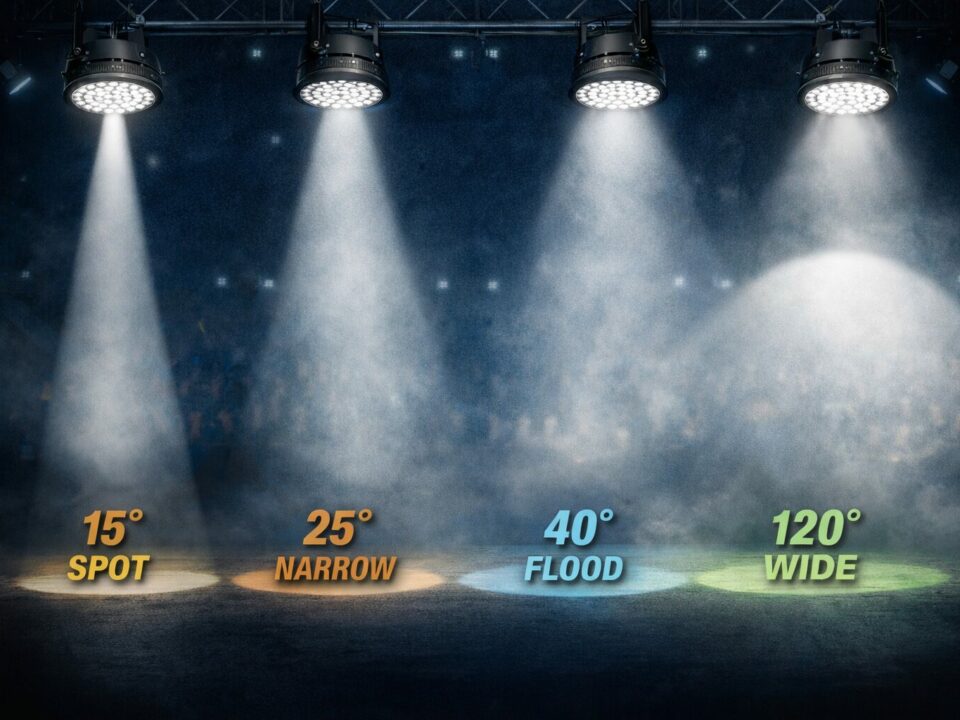
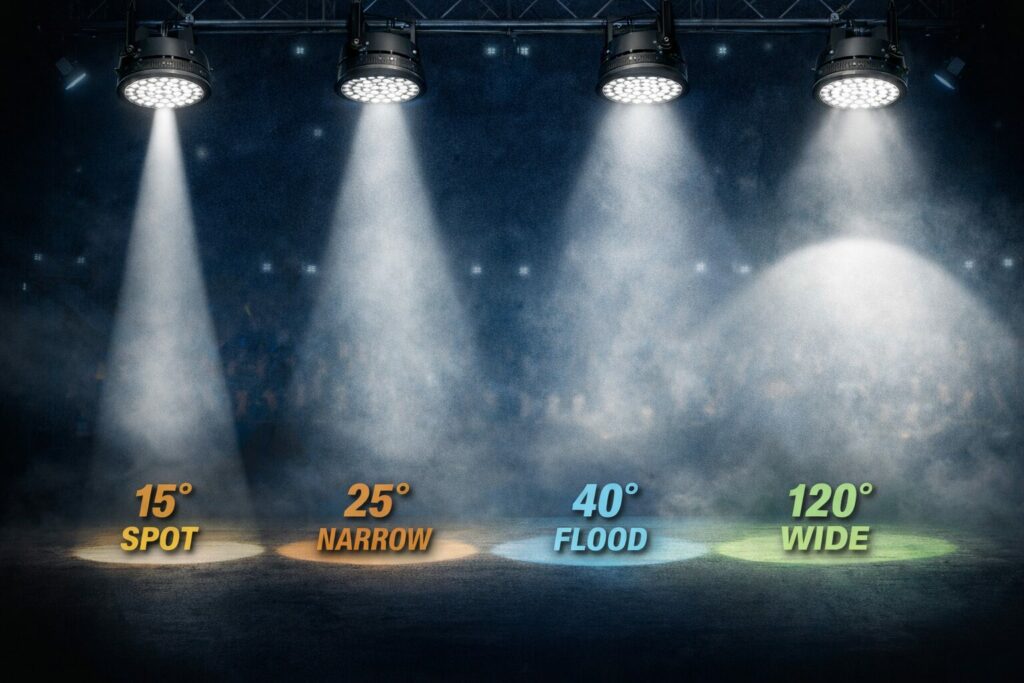
Think about both, but they solve different problems. Beam angle controls where the light goes and how widely it spreads. Color temperature controls whether the light appears warm, neutral, or cool. For the best result, match the beam angle to the lighting task and the CCT to the room’s atmosphere and visibility needs.
Ready to compare options? Browse PAR56 LED retrofit lamps, PAR64 LED retrofit lamps, or visit the PAR LED Lights shop to choose by size, wattage, beam angle, power connection, and color temperature.